Interior design is not just about physical structure; it directly impacts emotions and mental well-being. The way a space is designed can influence mood, productivity, relaxation, and even relationships.
The Psychology of Interior Design
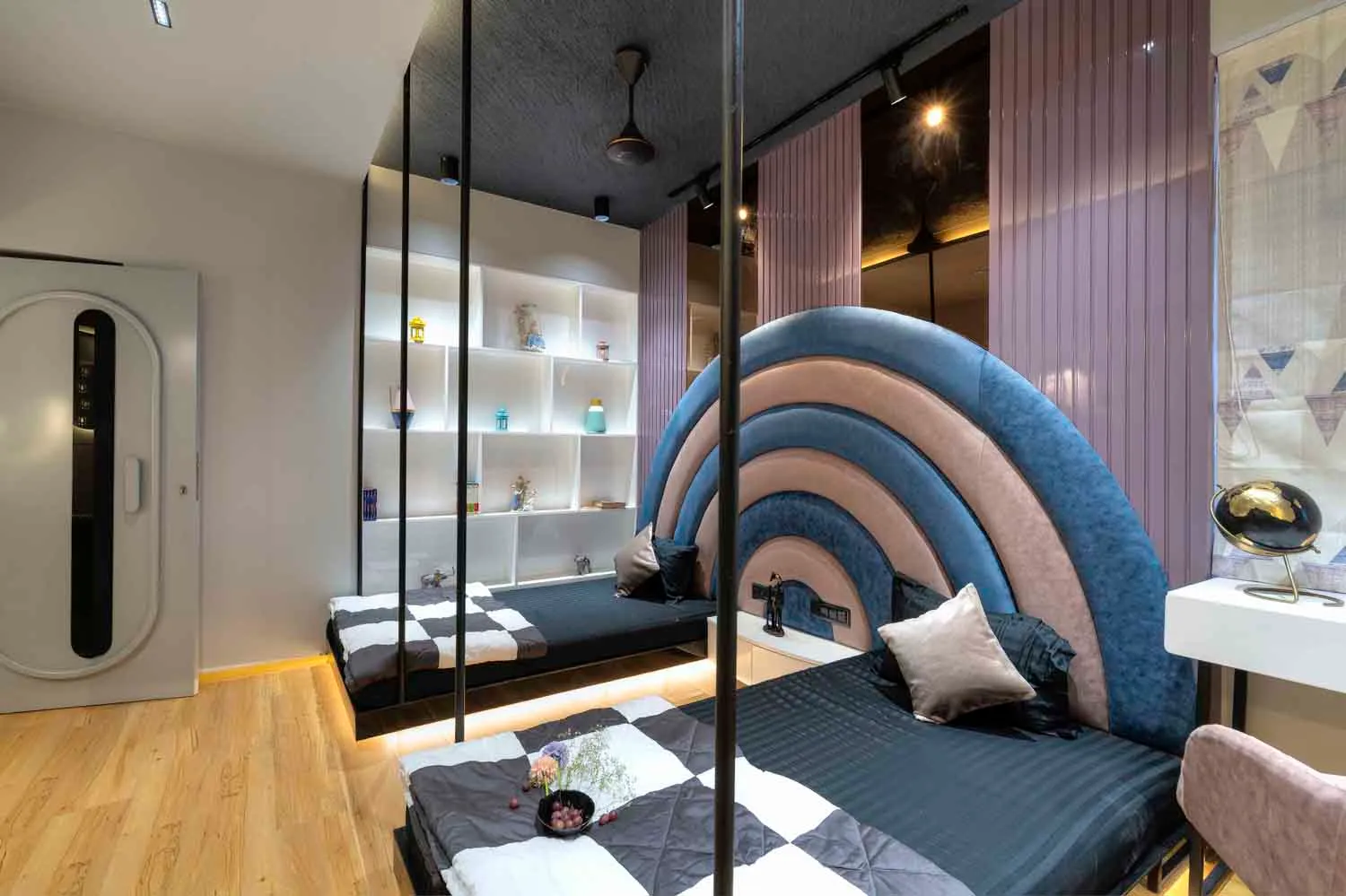
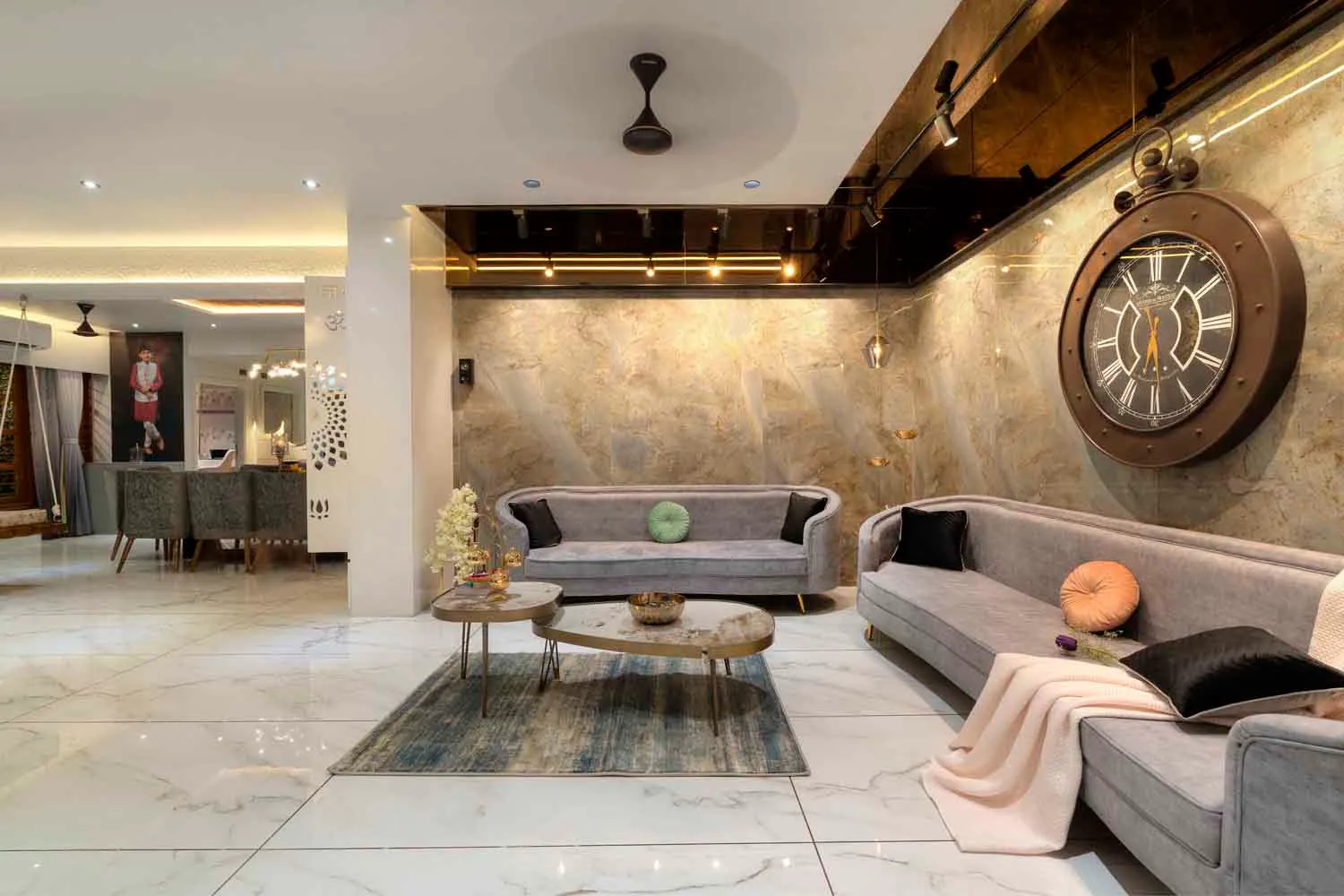
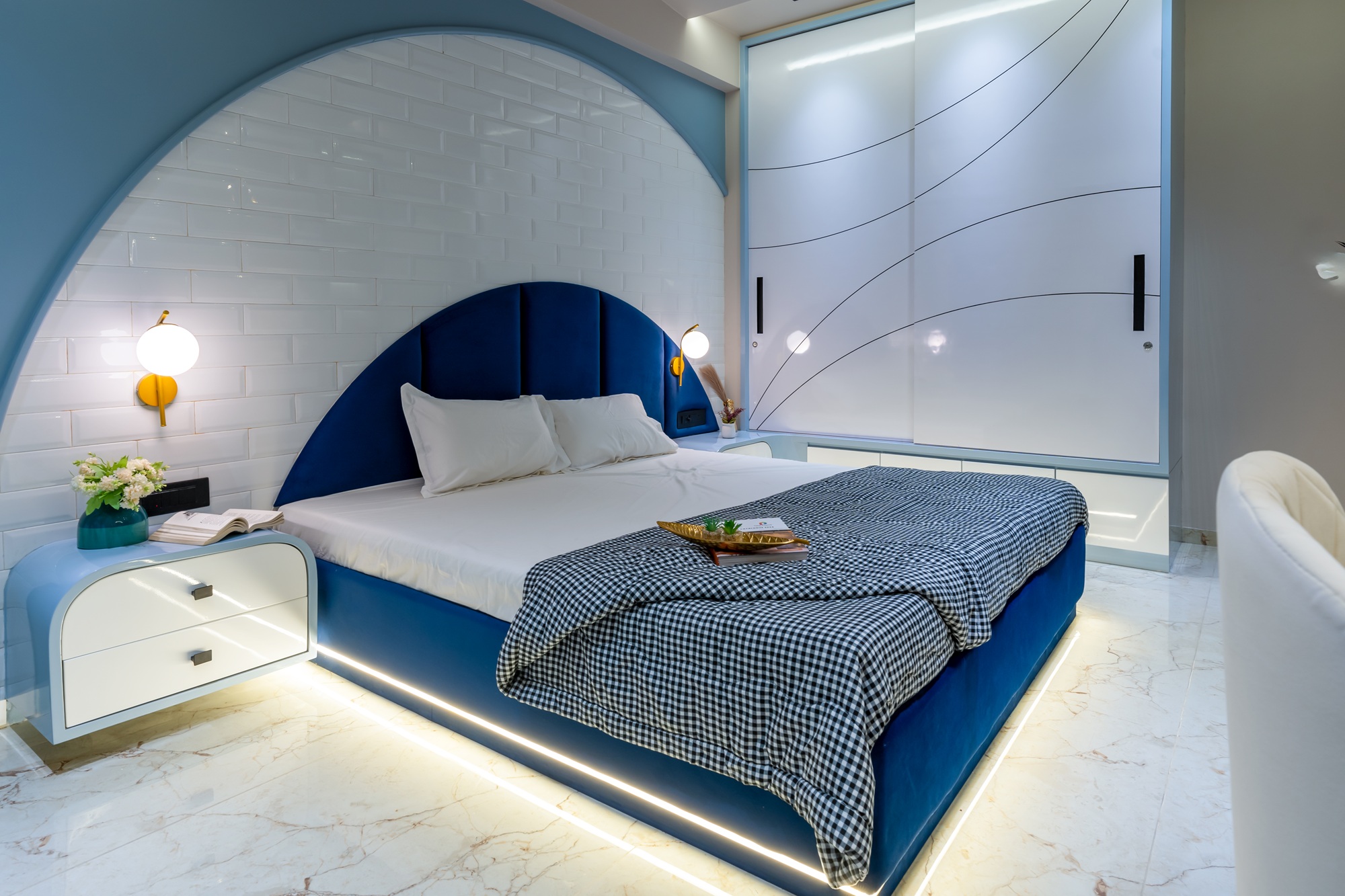
Colors play a powerful psychological role. Warm tones like beige and soft browns create comfort and stability. Blues and greens promote calmness, making them ideal for bedrooms. Bright colors can energize spaces but must be used carefully to avoid overstimulation.
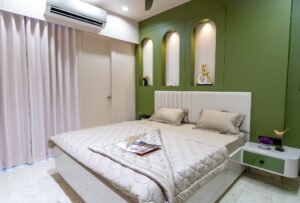
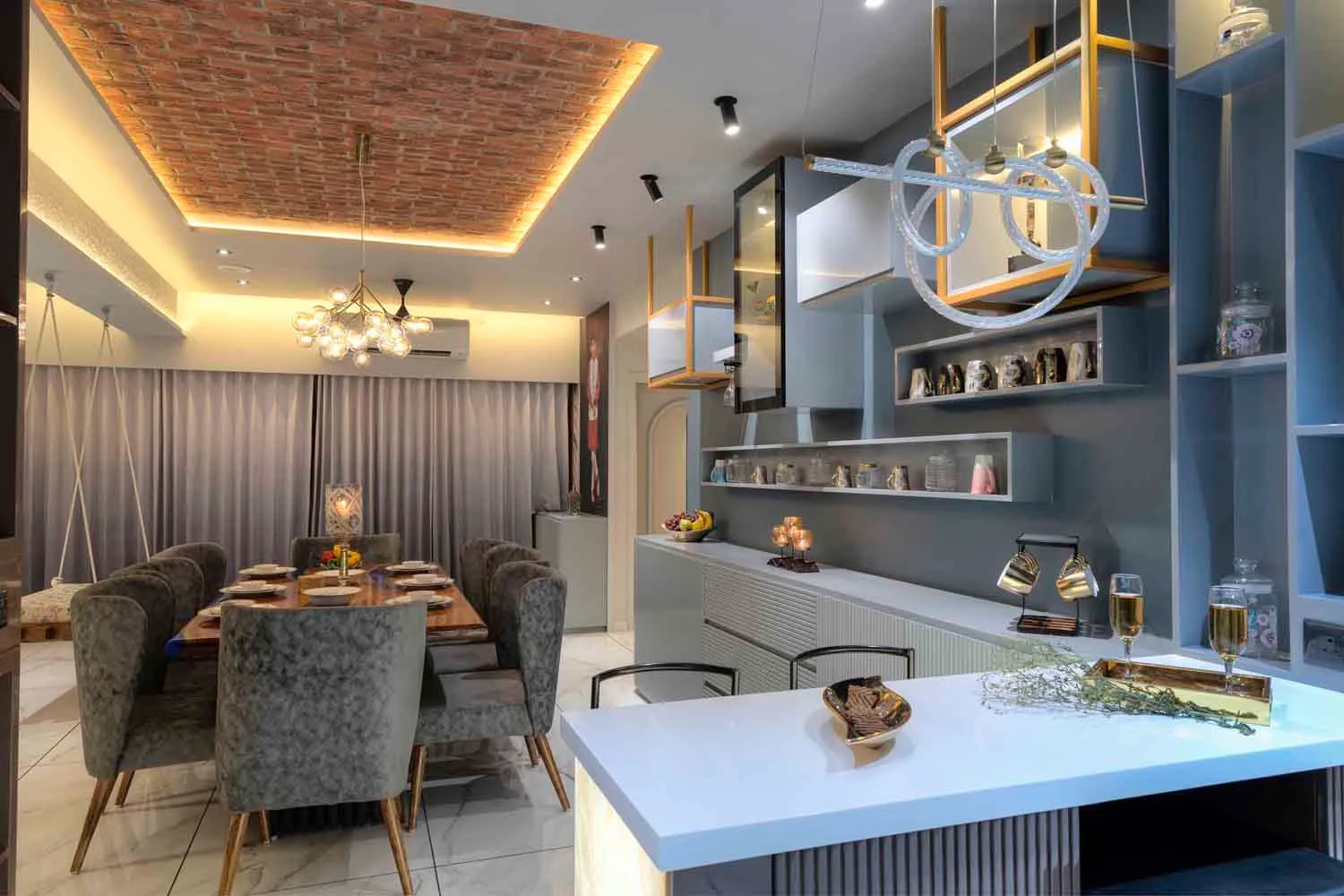
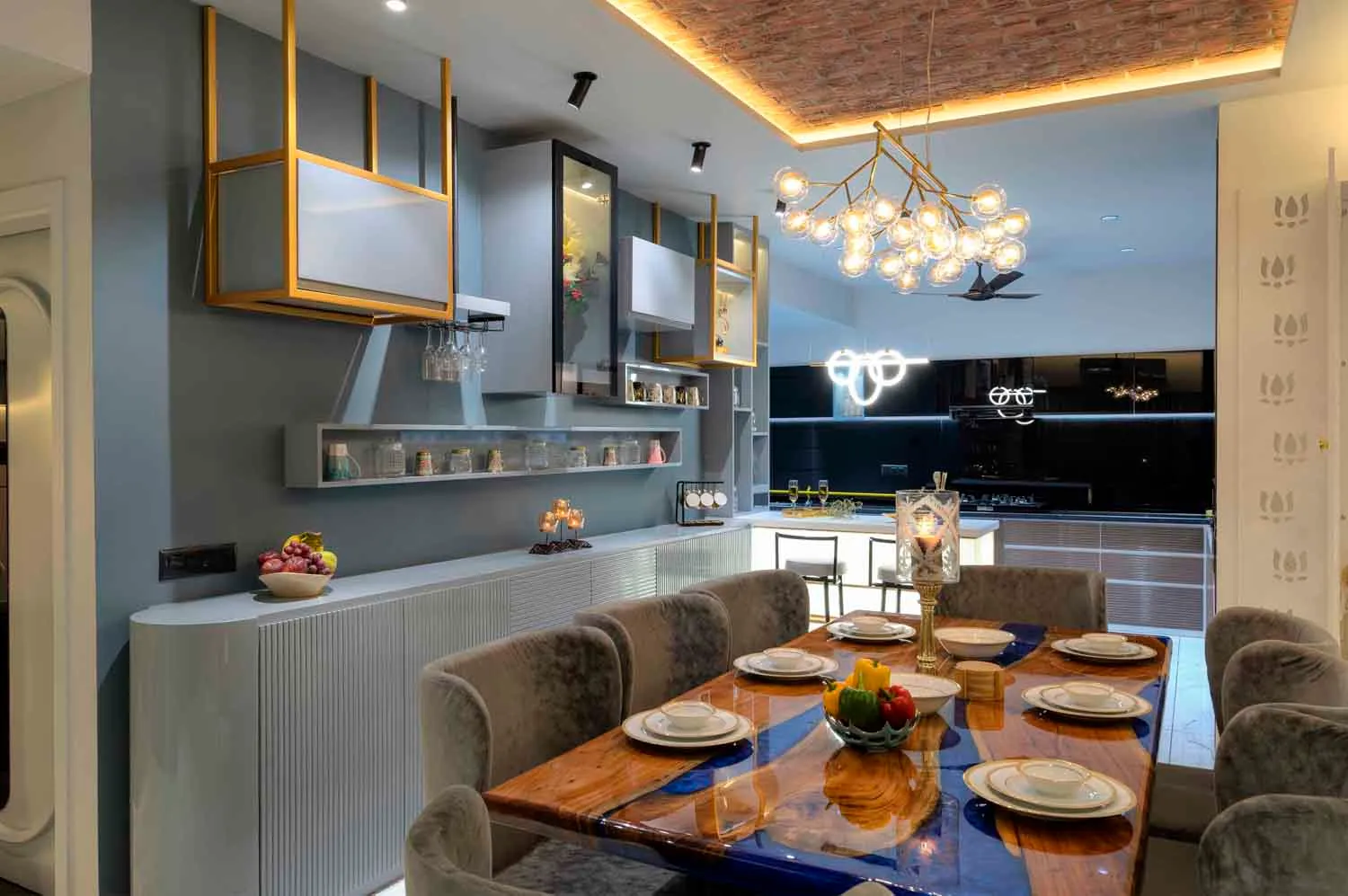
Lighting also affects emotions. Natural light boosts positivity and reduces stress. Warm artificial lighting creates a cozy atmosphere, while harsh white lighting may feel clinical if not balanced properly.
“Understanding the psychology of design allows designers to create environments that do more than look beautiful. They improve daily living experiences.”
Spatial organization influences mental clarity. Cluttered spaces often lead to stress and distraction. Smart storage solutions and organized layouts promote a sense of control and calmness.
Ceiling heights, furniture scale, and openness also contribute to emotional experience. Spacious layouts feel liberating, while intimate corners can be comforting when designed thoughtfully.
Even textures impact perception. Soft fabrics, wooden finishes, and natural elements make a home feel welcoming.